
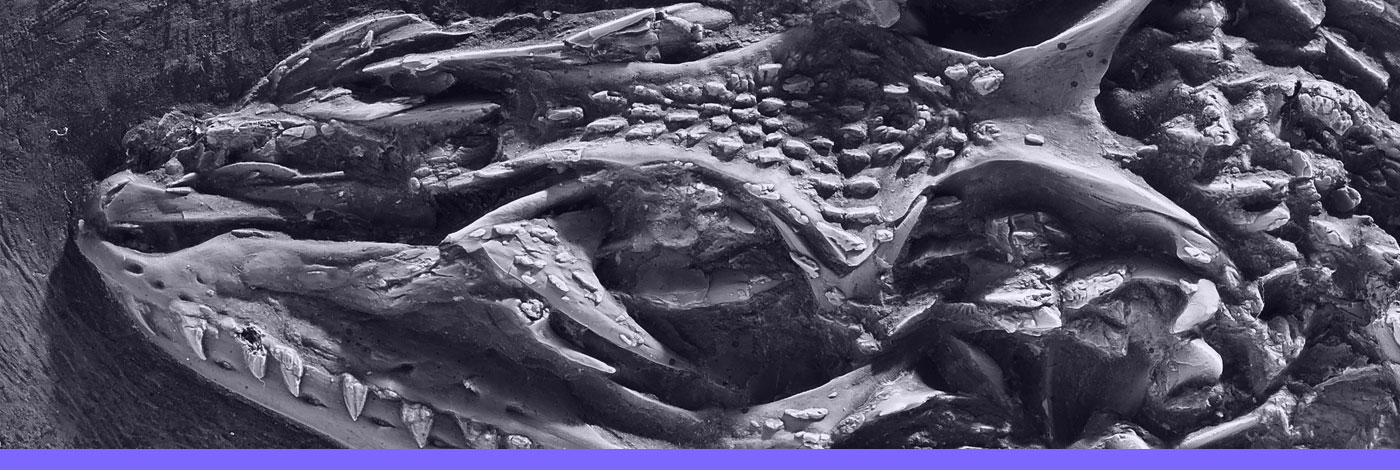
Traditionally, taxonomic data from the body fossil record has served as the primary source of information on faunal trends through the Phanerozoic. From such data, paleobiologists have documented that among the several biodiversity crises suffered by eukaryotes, including the so-called ‘big five’mass extinction events, the end-Permian crisis is the most dramatic biological catastrophe [2,27]. The species loss for marine faunas is estimated at over 90%, while plants and animals on land also suffered widespread extinctions [7,9,17]. In addition, data from the body fossil record show that for the entire Early Triassic, and in some cases continuing into the Middle Triassic, biodiversity continued to remain low, implying that repopulation of the biosphere proceeded exceptionally slowly [4,17].

 Editorial Board - Français

 The Triassic recovery, the dawn of the modern biota
David J. BOTTJER & Jean-Claude GALL
453-461, Published on 31 October 2005, art. 4 (52)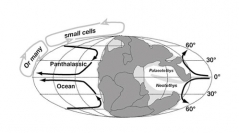 Paleoceanographic and paleoclimatic context of Early Triassic time
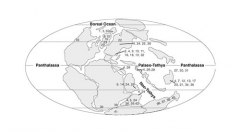 Summary of Early Triassic carbon isotope records
Frank A. CORSETTI et al.
473-486, Published on 31 October 2005, art. 4 (54)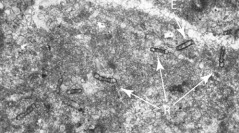 Survival and recovery of calcareous foraminifera pursuant to the end-Permian mass extinction
John R. GROVES & Demir ALTINER
487-500, Published on 31 October 2005, art. 4 (55)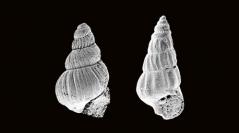 Recovery of gastropods in the Early Triassic
Ammonoid recovery from the Late Permian mass extinction event
Early Triassic recovery of echinoderms
Recovery of gastropods in the Early Triassic
Ammonoid recovery from the Late Permian mass extinction event
Early Triassic recovery of echinoderms
Richard J. TWITCHETT & Tatsuo OJI
531-542, Published on 31 October 2005, art. 4 (58)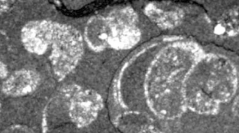 Unique microgastropod biofacies in the Early Triassic: Indicator of long-term biotic stress and the pattern of biotic recovery after the end-Permian mass extinction
Margaret L. FRAISER et al.
543-552, Published on 31 October 2005, art. 4 (59)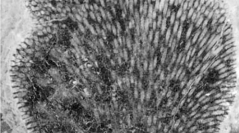 The reorganization of reef communities following the end-Permian mass extinction
Sara B. PRUSS & David J. BOTTJER
553-568, Published on 31 October 2005, art. 4 (60)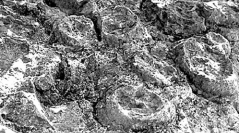 Calcimicrobial cap rocks from the basal Triassic units: western Taurus occurrences (SW Turkey)
Aymon BAUD et al.
569-582, Published on 31 October 2005, art. 4 (61)
Restructuring in benthic level-bottom shallow marine communities due to prolonged environmental stress following the end-Permian mass extinction
Margaret L. FRAISER & David J. BOTTJER
583-591, Published on 31 October 2005, art. 4 (62)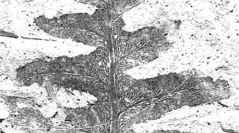 Recovery of the Triassic land flora from the end-Permian life crisis
Léa GRAUVOGEL-STAMM & Sidney R. ASH
593-608, Published on 31 October 2005, art. 4 (63)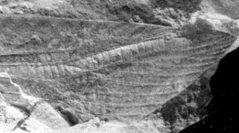 The Triassic radiation of the entomofauna
Olivier BÉTHOUX et al.
609-621, Published on 31 October 2005, art. 4 (64)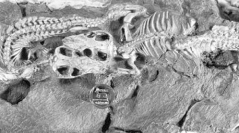 The recovery of terrestrial vertebrate diversity in the South African Karoo Basin after the end-Permian extinction
 The early Middle Triassic ‘Grès à Voltzia’ Formation of eastern France: a model of environmental refugium
Jean-Claude GALL & Léa GRAUVOGEL-STAMM
637-652, Published on 31 October 2005, art. 4 (66)
Editorial Board - English