


 Anthropozoologica
61 (3) - Pages 37-47
Anthropozoologica
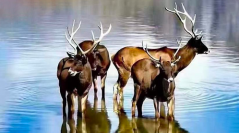
61 (3) - Pages 37-47The present essay refers to the presentation we gave in November 2022 at the Muséum national d’Histoire naturelle as part of the joint research unit BioArch – BioArchéologie, Interactions Sociétés Environnements seminar on “Les relations humains-cerfs (Cervus) dans leurs expressions matérielles et symboliques”. It stems from our research project “Birds and Deer in the Himalayas and Tibet: from ancient Tibetan rituals and archeology to sustainable development” (2022-2023) at University of Bern, Switzerland. The focus of the project is the study of historical and literary sources in Tibetan language, both religious and secular, supplemented by traditions from oral histories according to local informants during observation in situ in Tibet and the Himalayas as well as accounts of modern hunting cultures. These Tibetan sources help understand the belief that deer –both Cervus and Moschus– are harbingers of good fortune to those who behold them. Furthermore, deer are linked with immortality and renewal of vitality for individual and collective welfare due to the annual spontaneous generation of the antlers for Cervus and the continuous growth of the canine teeth for moschus deer. The present essay will discuss these beliefs and modern accounts documented by Tibetan scholars as well as informants during my fieldwork among Sherpa in Nepal. The illustrations comprise pre-historic representations of deer found in Tibet and the Himalayas such as petroglyphs and archeological artefacts of the Tibetan empire which represent deer in gold and silver, as well as hunting scenes represented on painted coffins of the Tibetan imperial period (c. 750 CE). A zoological and ethological presentation of the different Himalayan deer opens this article so that the reader can better understand the nature of the links between them and human populations.
White-lipped deer, red deer, axis/spotted deer, musk deer, rituals, pharmacology, hunting, Sherpa, archaeological artefacts.