


 Anthropozoologica
61 (2) - Pages 21-36
Anthropozoologica
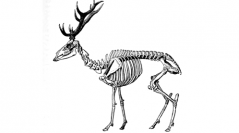
61 (2) - Pages 21-36On the Iranian Plateau, prehistoric societies have utilized red deer antler to manufacture tools since at least the Middle Paleolithic. Following a period of intensive use during the Upper Paleolithic, the exploitation of antler material generally declined in the Neolithic, coinciding with the emergence of domestic practices and the increased availability of osseous materials derived from domesticated animals. Nonetheless, antler remained a significant component of material culture, providing key insights into the evolving relationship between early agropastoral communities, wild fauna, and their broader environment throughout the Neolithic period. However, antler productions remain insufficiently studied, both from morpho-typological and techno-functional perspectives on the Iranian Plateau, a region of strategic importance for understanding the processes underpinning the emergence and diffusion of domestication. As part of the EXAMS project, we undertook the first comprehensive inventory of antler tools associated with Neolithic/Transitional Chalcolithic communities in Iran. This paper outlines the preliminary results of this research, along with initial data from the techno-functional analysis of assemblages recovered from three key Neolithic sites: Tepe Abdul Hosein, Tepe Sang-e Chakhmaq, and Tepe Zagheh.
Worked hard animal material, Red deer antler productions, osseous technology.