

 Comptes Rendus Palevol
25 (1) - Pages 1-15
Comptes Rendus Palevol
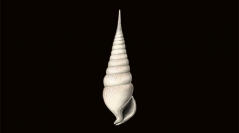
25 (1) - Pages 1-15In the Lower Indus Basin (Sindh, Pakistan), the Ranikot Group is historically known for its rich malacofauna described in the 19th and early 20th centuries. Recent fieldwork undertaken between 2009 and 2014 has yielded a wealth of material that is intended to supplement the ancient data on the Ranikot Group’s palaeobiodiversity. It is in this context that the Campanilidae Douvillé, 1904 assemblage is studied. It includes one ?Campanile sp. from the Bara Formation (upper Thanetian) and two new taxa from the Lakra Formation (lower Ypresian): Campanile metaisi Merle & Pacaud, n. sp. and Campanistylus lakhraensis Merle & Pacaud, n. gen., n. sp. (type species: Campanistylus lakhraensis Merle & Pacaud, n. gen., n. sp. by monotypy). With two species known only from the Lower Indus Basin this assemblage of Campanilidae displays a high provincialism at species level. Furthermore, the case of Campanistylus Merle & Pacaud, n. gen. also illustrates the emergence of a endemic genus strictly restricted to the Lower Indus Basin.
Fossil molluscs, Campanilidae, Eocene, Lower Indus Basin, new genus, new species